


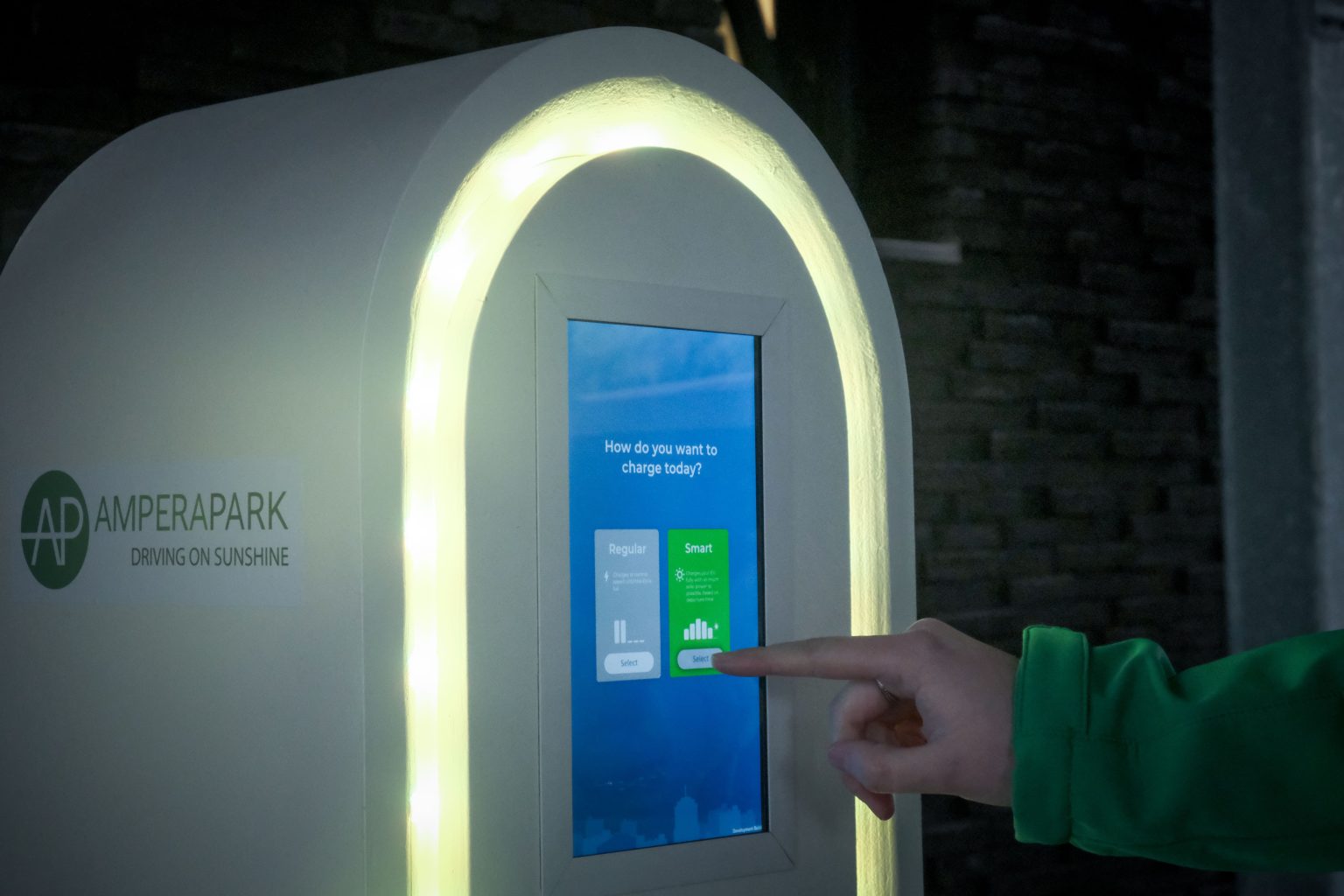
The supporting charging infrastructure for electric vehicles (EVs) needs to keep up with the global trend of EV adoption, both in terms of size and usability. The interface that drivers are shown is among the most neglected features of EV charging. In addition to being a convenience, a simple and user-friendly interface is essential for boosting adoption, improving user satisfaction, and realizing the full potential of smart charging systems.
For widespread EV adoption, intuitive charging interfaces is essential, not simply a nice-to-have. Numerous drivers come across charging stations made by various manufacturers, each with unique designs, features, and directions. A lack of consistency or user-friendliness might easily result in misunderstandings, mistakes, or even the complete cessation of charging attempts. This results in a discouraging encounter that erodes trust in the technology.
Charging interfaces should put an emphasis on responsiveness, clarity, and simplicity to prevent this. A better user experience is facilitated by minimal steps. These include to start or stop charging, accessible language options, clear instructions, and real-time feedback on charging status. Both experienced EV drivers and novice users may access and understand the system without the need for extra assistance thanks to an easy-to-use interface.
User-friendliness, however, is a route to smarter charging and goes beyond simple usability. Users are more likely to interact with optional features when the charging interface is easy to use. Pre-charge data input is one such feature that isn’t yet extensively accessible on the market. Users could indicate if they intend to keep the car parked for a long time, their preferred charging option (such as full charge or rapid top-up), and their anticipated length of stay.
With this information, the EMS can better control energy expenses, distribute electrical loads, and alleviate needless strain on the local system. The technology can postpone or spread out the charging process, for example, if a motorist intends to stay for four hours but only requires a partial charge. This maximizes the use of renewable energy while supporting load balancing and enabling faster charging for cars with shorter stays.
An easy-to-use interface also offers greater insight into consumption patterns for companies. These include retail stores, hotels, office parks, or industrial sites that provide EV charging on their property. Pricing decisions, upcoming infrastructure projects, and potential partnerships with energy suppliers can all be influenced by this data.
In the end, a well-designed charging interface is more than just a screen or app. It serves as a link between system intelligence and human behavior. EV infrastructure providers can increase user engagement, gather useful data, and enable more intelligent, sustainable charging solutions that benefit drivers, businesses, and the energy grid by emphasizing clarity, consistency, and ease of use.
At AmperaPark, we are already taking steps in this direction. We combine a an intuitive and user-friendly interface with a smart EMS that is capable of load balancing, renewable integration and real-time optimization. This synergy between technology and design is what the EV charging infrastructure should strive for.
SOURCE: Global EV Outlook 2025
Are you also interested in a green upgrade of your parking lot?